Damp Bridging Investigation and Remedial Work

Moisture can bypass a damp-proof course through high ground levels, debris or unsuitable finishes.

Damp Bridging Investigation and Remedial Work

Moisture can bypass a damp-proof course through high ground levels, debris or unsuitable finishes.

Damp Bridging Investigation and Remedial Work

Moisture can bypass a damp-proof course through high ground levels, debris or unsuitable finishes.

Damp Bridging Investigation and Remedial Work2026-09-03T12:01:52+01:00

What Is Damp Bridging?

Damp bridging in Hastings and across Sussex occurs when moisture bypasses an existing damp-proof course or membrane through another material or building detail. Raised ground levels, paving, render, internal plaster, floor screeds and debris within a cavity can all create a route for moisture.

The resulting low-level damp can resemble rising damp, even where the original damp-proof course remains intact. Damp Doctor Sussex examines the wall construction, moisture pattern, external ground levels and possible bridging points before explaining the likely cause and recommending proportionate remedial work.

Where damp bridging is confirmed, correcting the moisture route may resolve the cause without replacing a damp-proof course that is still functioning. The appropriate solution depends on the property and the type of bridge identified.

  • Typical Causes

Raised external ground, bridged cavities, render or plaster crossing the damp-proof course, solid floors, debris and later alterations.

  • Commonly Affected Areas

Ground-floor walls, wall-to-floor junctions, areas beside raised paths, patios or flower beds, extensions, doorways, internal walls adjoining filled cavities, and locations where render, plaster or solid flooring crosses the damp-proof course.

  • Urgency

Arrange an inspection if the issue is worsening, timber or finishes are being damaged, or the source is unclear.

  • Typical Causes

Raised external ground, bridged cavities, render or plaster crossing the damp-proof course, solid floors, debris and later alterations.

  • Commonly Affected Areas

Ground-floor walls, wall-to-floor junctions, areas beside raised paths, patios or flower beds, extensions, doorways, internal walls adjoining filled cavities, and locations where render, plaster or solid flooring crosses the damp-proof course.

  • Urgency

Arrange an inspection if the issue is worsening, timber or finishes are being damaged, or the source is unclear.

Signs of Damp Bridging

Low-level damp that remains after earlier treatment

Salt marks, damaged skirting or crumbling plaster

External paving or soil close to internal floor level

Localised moisture near extensions, doorways or changed floor levels

How We Investigate Damp Bridging

The exact investigation and repair plan depends on the property and the evidence found.

Compare internal symptoms with external levels and construction

Check likely bridging routes and use readings where appropriate

Explain what appears to be bypassing the barrier

Recommend proportionate remedial work

How We Investigate Damp Bridging

The exact investigation and repair plan depends on the property and the evidence found.

Compare internal symptoms with external levels and construction

Compare internal symptoms with external levels and construction

Explain what appears to be bypassing the barrier

Recommend proportionate remedial work

How We Investigate Damp Bridging

The exact investigation and repair plan depends on the property and the evidence found.

Compare internal symptoms with external levels and construction

Check likely bridging routes and use readings where appropriate

Explain what appears to be bypassing the barrier

Recommend proportionate remedial work

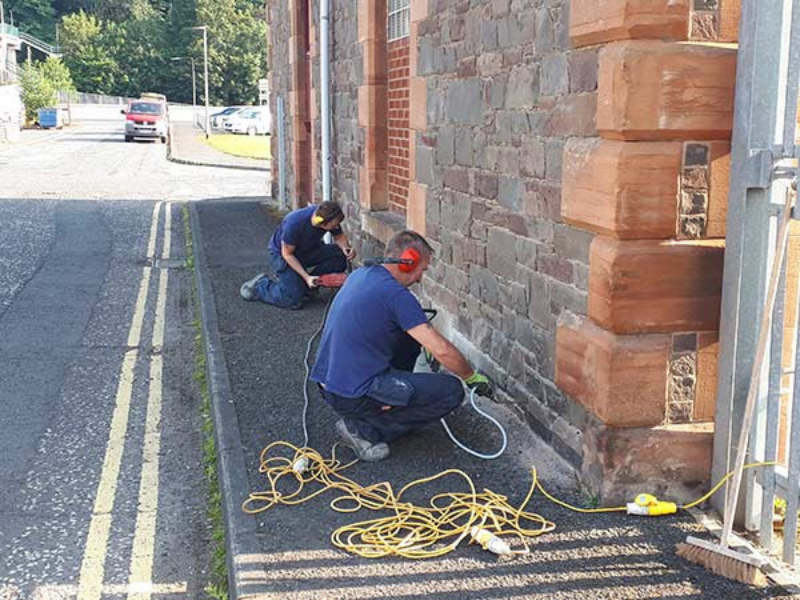
Technicians carrying out damp-proof course injection as part of damp bridging remedial work

Damp Bridging Repairs and Remedial Work

The examples below are not a diagnosis or fixed specification. Work is recommended only after the likely cause has been assessed.

  • Lower or separate external ground levels where practical
  • Remove bridging render, plaster or debris
  • Correct unsuitable junctions and finishes
  • Repair affected internal materials after the moisture route is addressed

Damp Bridging Projects

A recent example of the investigation and remedial work involved in a Damp Bridging case.
Raised paving against an exterior wall before damp bridging remedial work
Damp specialist measuring external ground levels and checking a wall for damp bridging
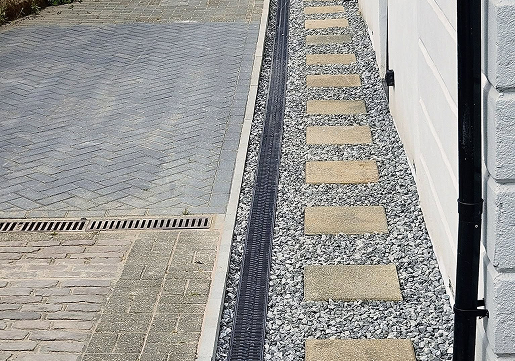
Gravel drainage margin and channel drain installed alongside a property wall to correct damp bridging

Damp Bridging Projects

A recent example of the investigation and remedial work involved in a Damp Bridging case.
Raised paving against an exterior wall before damp bridging remedial work
Damp specialist measuring external ground levels and checking a wall for damp bridging
Gravel drainage margin and channel drain installed alongside a property wall to correct damp bridging

Damp Bridging Projects

A recent example of the investigation and remedial work involved in a Damp Bridging case.
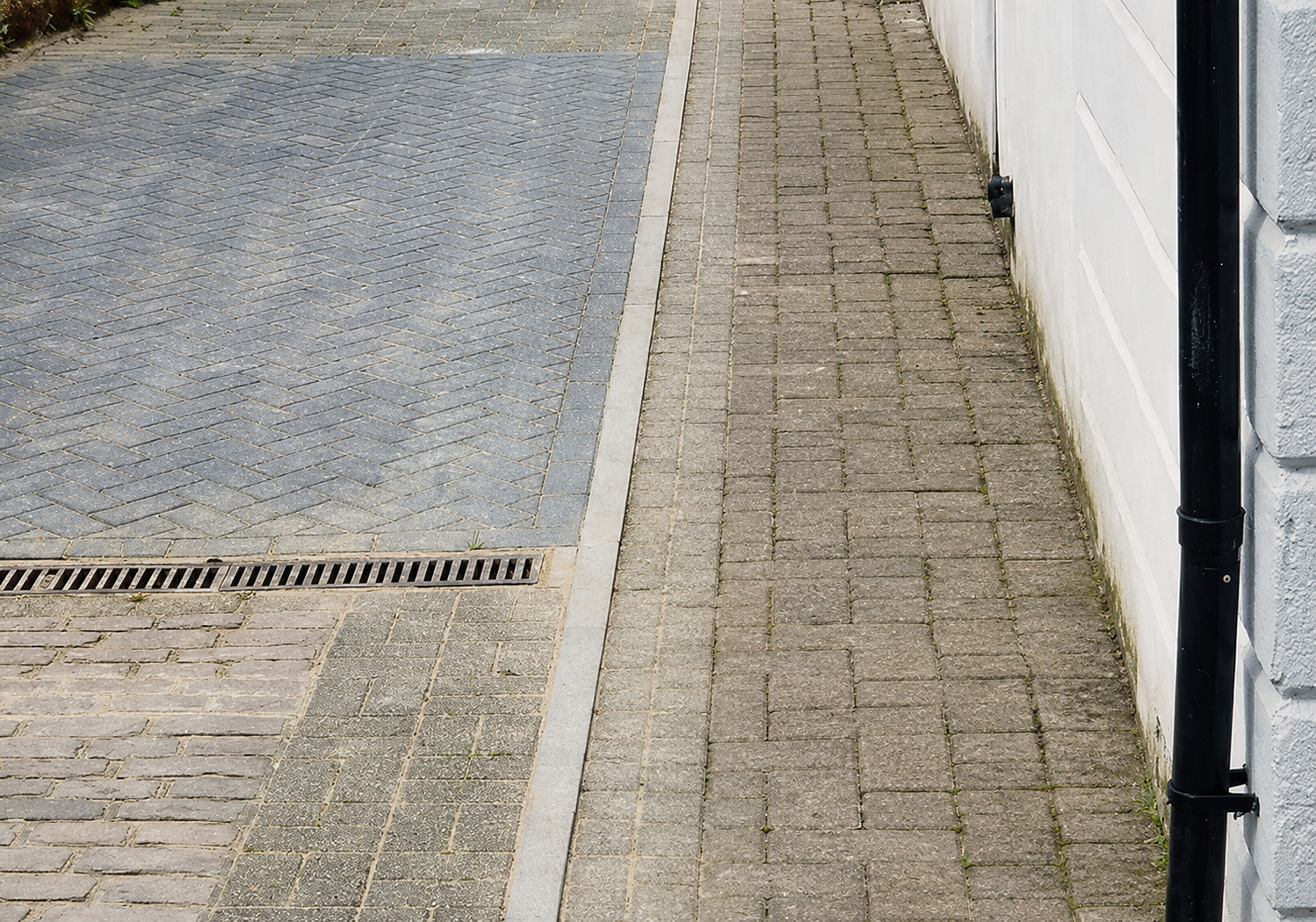
Raised paving against an exterior wall before damp bridging remedial work
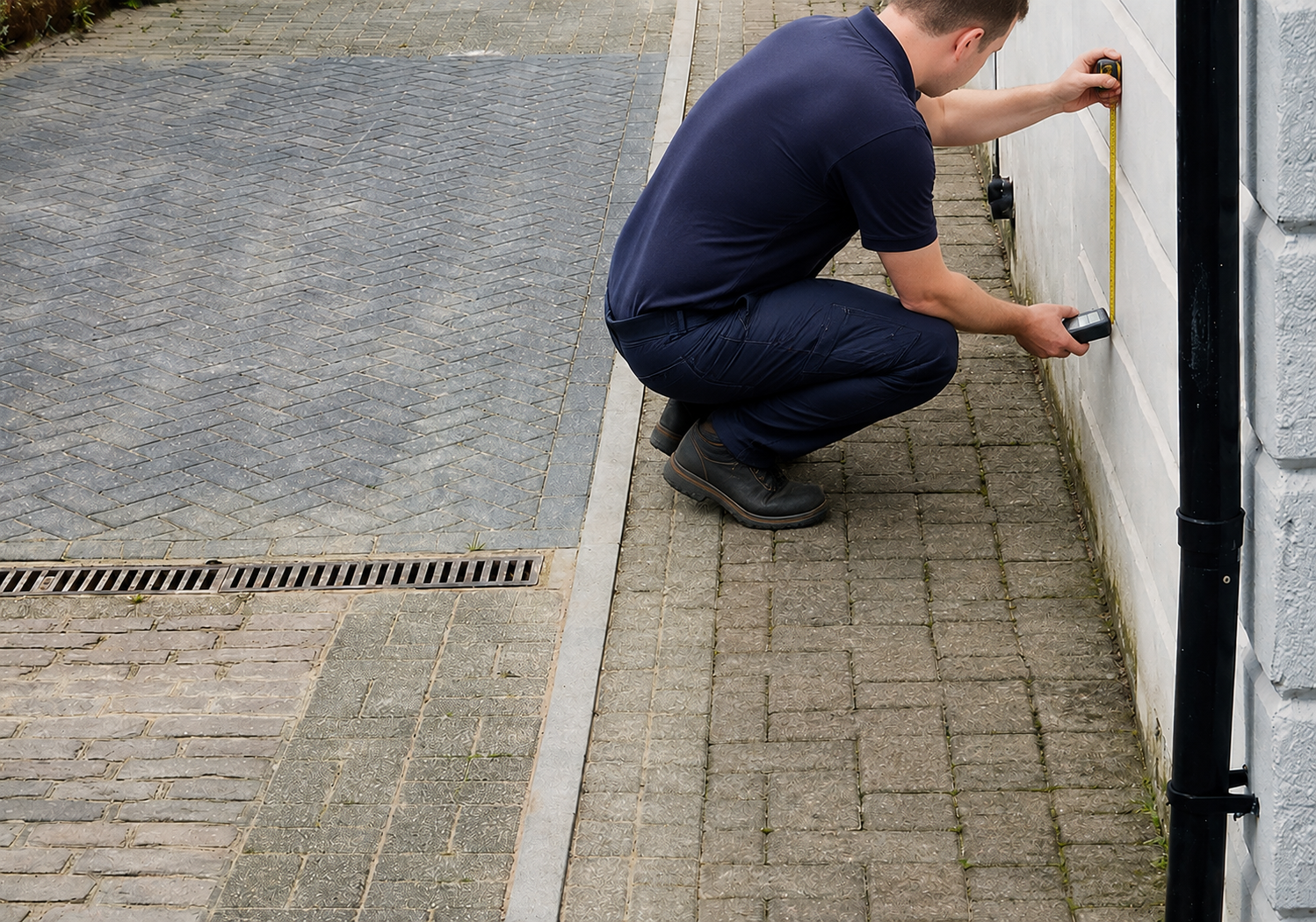
Damp specialist measuring external ground levels and checking a wall for damp bridging
Gravel drainage margin and channel drain installed alongside a property wall to correct damp bridging
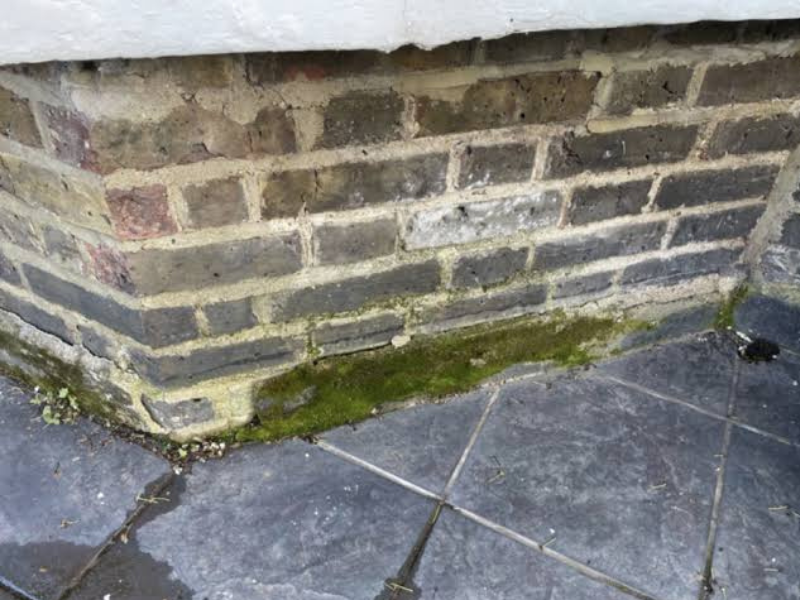
Moss and green staining at a wall base where paving sits close to the brickwork

Why Choose Damp Doctor Sussex for Damp Bridging?

  • Diagnosis-first, evidence-led approach.
  • Clear explanations 
  • No pressure to approve unnecessary work.
  • Appropriate remedial work available in-house.

Related Issues

Not convinced this is what you're seeing? These issues share similar signs and are worth ruling out.

Frequently Asked Questions

Can damp bridging be fixed without replacing the damp-proof course?2026-09-03T12:08:07+01:00

Yes, damp bridging can often be corrected without replacing a damp-proof course that is still working. The solution may involve lowering or separating external ground levels, removing bridging render or plaster, clearing cavity debris or correcting an unsuitable wall-to-floor junction. The right remedial work depends on the route the moisture is taking and the construction of the property.

Does damp bridging go away on its own?2026-09-03T12:07:48+01:00

Damp bridging will rarely disappear permanently without the moisture route being addressed. The visible symptoms may improve during warmer or drier weather, but they can return when conditions change. Leaving the problem unresolved may lead to further damage to plaster, decoration, skirting boards or nearby timber.

Can internal plaster or floor screed bridge a DPC?2026-09-03T12:07:31+01:00

Yes. Internal plaster can create a bridge if it extends below the damp-proof course and comes into contact with a damp wall or floor. A floor screed can cause a similar problem where it connects materials on either side of a moisture barrier. Appropriate work may involve removing or separating the bridging material before repairing the affected finishes.

Can high external ground levels cause damp inside?2026-09-03T12:07:08+01:00

Yes. Soil, paving or patios positioned too close to or above the damp-proof course can allow moisture to bypass the barrier and reach the wall. Poor drainage and rainwater splashing against the base of the building may make the problem worse. External levels should be assessed alongside the wall construction and internal symptoms before any work is recommended.

Is damp bridging the same as rising damp?2026-09-03T12:06:42+01:00

No. Rising damp occurs when ground moisture moves upwards through porous masonry. Damp bridging happens when moisture travels around an existing damp-proof course through another material or building detail. Both can cause damaged plaster, salt deposits, staining and deterioration around the bottom of a wall, so an inspection is needed to distinguish between them.

What causes a damp-proof course to become bridged?2026-09-03T12:06:00+01:00

A damp-proof course can become bridged when surrounding materials cross or sit above the moisture barrier. Common causes include raised patios, paths or flower beds, render extending below the DPC, internal plaster touching a damp floor, solid floor screeds meeting the wall and mortar or debris within a cavity. Landscaping, extensions and changes to floor levels can also introduce new bridging points.

What is damp bridging?2026-09-03T12:05:30+01:00

Damp bridging occurs when a material or building detail creates a route for moisture around an existing damp-proof course or membrane. Common examples include raised paving, soil against an exterior wall, bridging render or plaster, floor screeds and debris inside a wall cavity. This can cause low-level damp even when the original damp-proof course is still functioning.

Can you diagnose damp bridging from a photograph?2026-09-03T12:04:59+01:00

No, damp bridging cannot be confirmed reliably from a photograph alone. Images can provide useful background information, but rising damp, penetrating damp, condensation and plumbing leaks can produce similar symptoms. An on-site investigation allows the wall construction, external levels, moisture pattern and possible bridging routes to be properly assessed.

What customers say

Trusted by Homeowners Across Sussex

Tell Us What You Have Noticed

Share the relevant details and Damp Doctor Sussex will contact you about the next step.

Preferred Contact Method
Go to Top