

What Is Wood Rot?
Wood rot in Hastings and across Sussex can affect floorboards, joists, skirting boards, roof timbers and wooden window or door frames wherever moisture remains trapped. It develops when timber stays damp enough for decay fungi to grow and may weaken the wood if those conditions continue.
Wet rot usually remains close to the source of moisture. Dry rot can spread through concealed spaces and adjoining materials to reach other damp timber, which can make the full extent harder to judge. Both forms of decay depend on moisture, so identifying and controlling its source is an essential part of the solution.
Damp Doctor Sussex inspects the affected timber, checks moisture levels, investigates the surrounding building conditions and carries out targeted opening-up where necessary. We explain what may be retained, what requires repair or replacement and how the moisture problem should be controlled before remedial work begins.
Signs of Wet Rot and Dry Rot
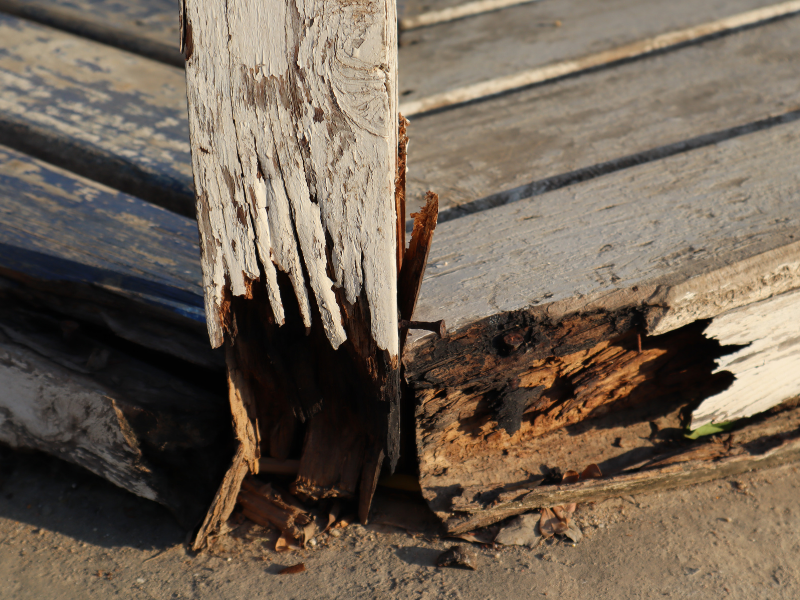
Timber that feels soft, brittle, cracked or spongy
Crumbling or damaged skirting boards
Peeling wallpaper or damaged finishes beside affected timber
Fungal growth, mycelium or cuboidal cracking
A persistent damp or mushroom-like smell
Bouncy floors or local movement




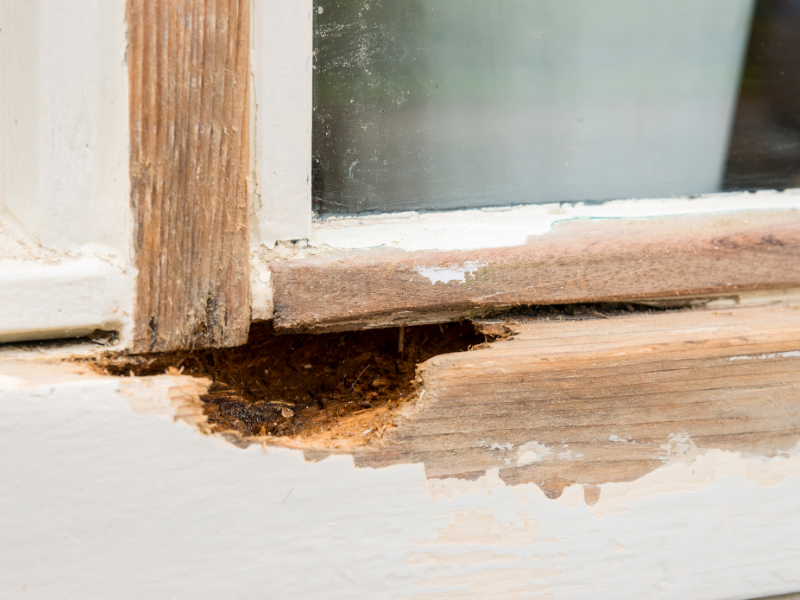
Wood Rot Projects
A recent example of the investigation and remedial work involved in a Wood Rot case.
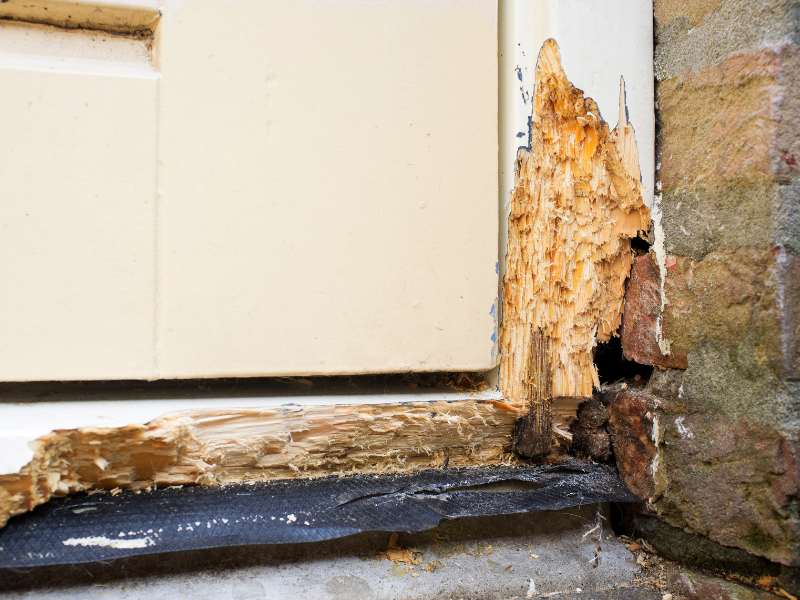
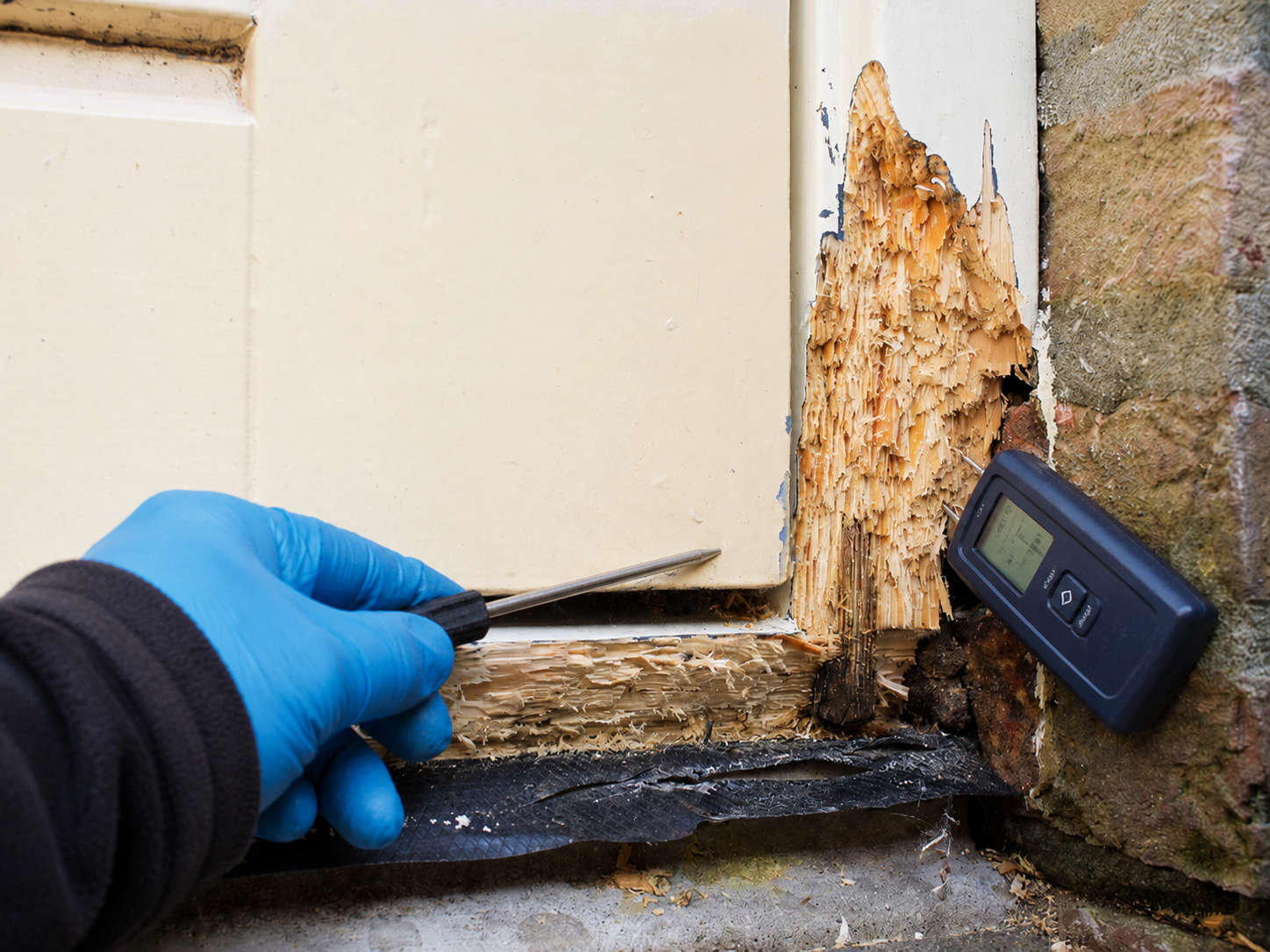
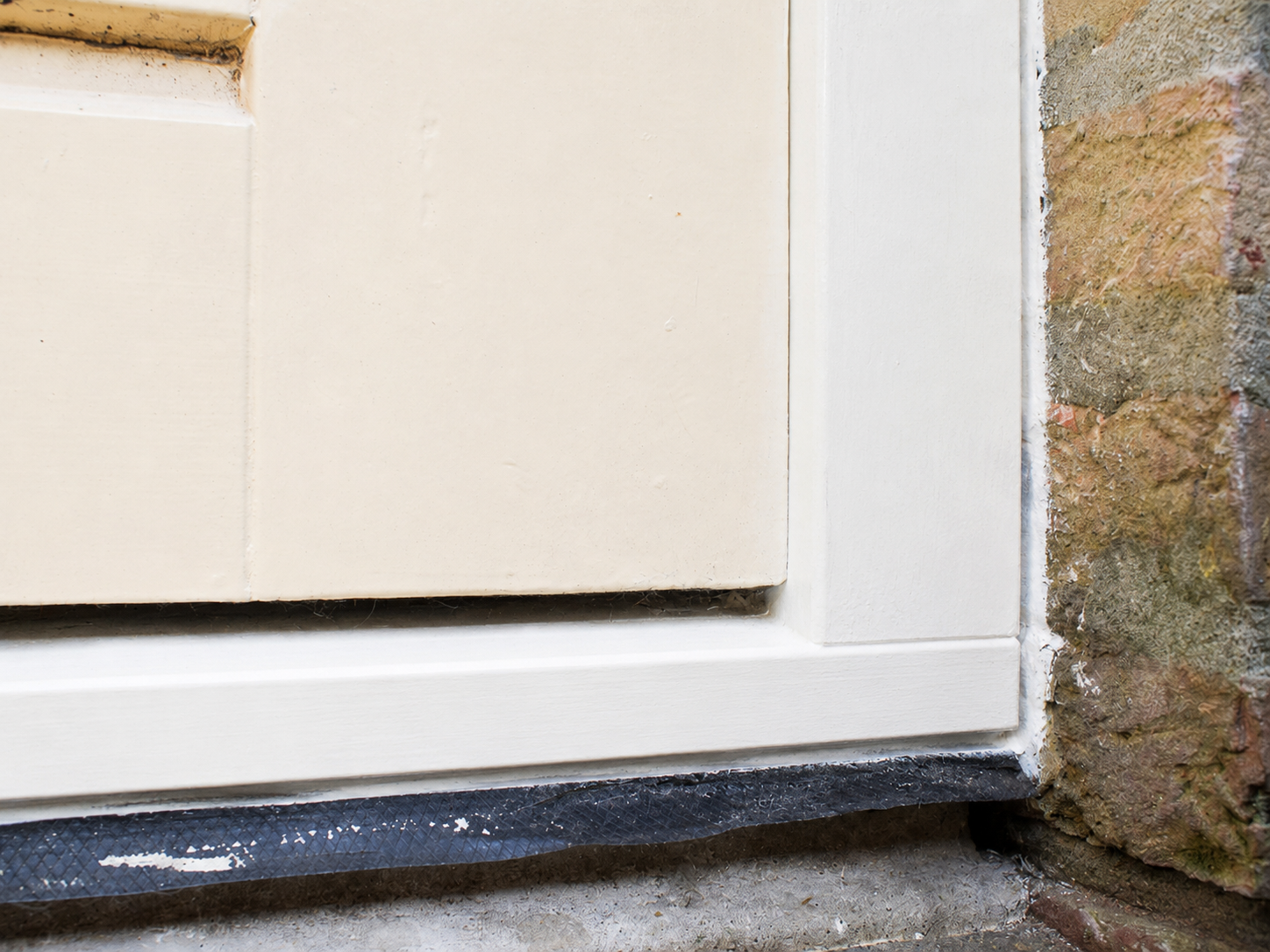
Wood Rot Projects
A recent example of the investigation and remedial work involved in a Wood Rot case.
Wood Rot Projects
A recent example of the investigation and remedial work involved in a Wood Rot case.
Related Issues
Not convinced this is what you're seeing? These issues share similar signs and are worth ruling out.
Frequently Asked Questions
What customers say