

What Is Damp Bridging?
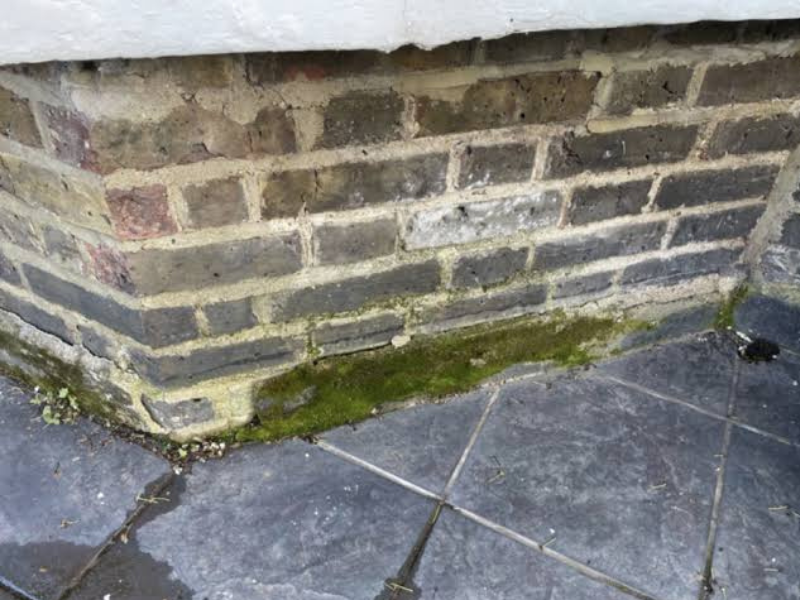
Damp bridging in Hastings and across Sussex occurs when moisture bypasses an existing damp-proof course or membrane through another material or building detail. Raised ground levels, paving, render, internal plaster, floor screeds and debris within a cavity can all create a route for moisture.
The resulting low-level damp can resemble rising damp, even where the original damp-proof course remains intact. Damp Doctor Sussex examines the wall construction, moisture pattern, external ground levels and possible bridging points before explaining the likely cause and recommending proportionate remedial work.
Where damp bridging is confirmed, correcting the moisture route may resolve the cause without replacing a damp-proof course that is still functioning. The appropriate solution depends on the property and the type of bridge identified.
Signs of Damp Bridging
Low-level damp that remains after earlier treatment
Salt marks, damaged skirting or crumbling plaster
External paving or soil close to internal floor level
Localised moisture near extensions, doorways or changed floor levels




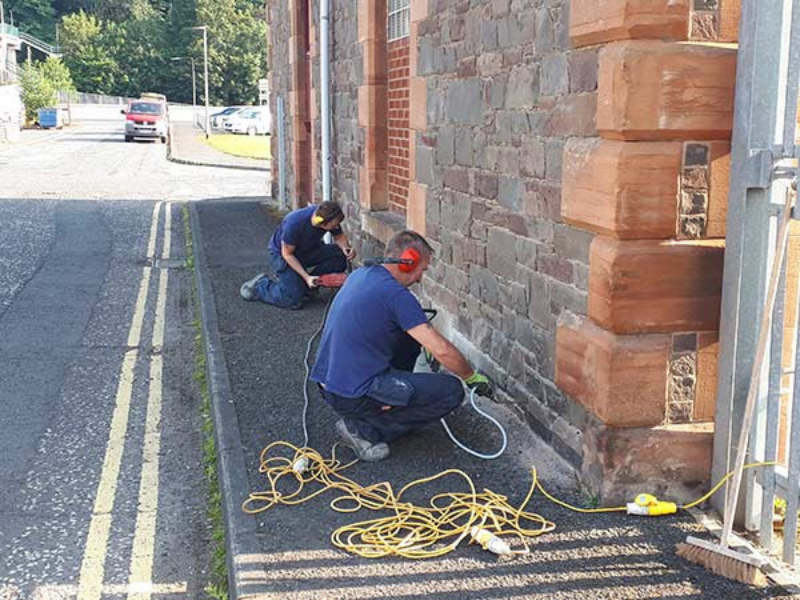
Damp Bridging Projects
A recent example of the investigation and remedial work involved in a Damp Bridging case.
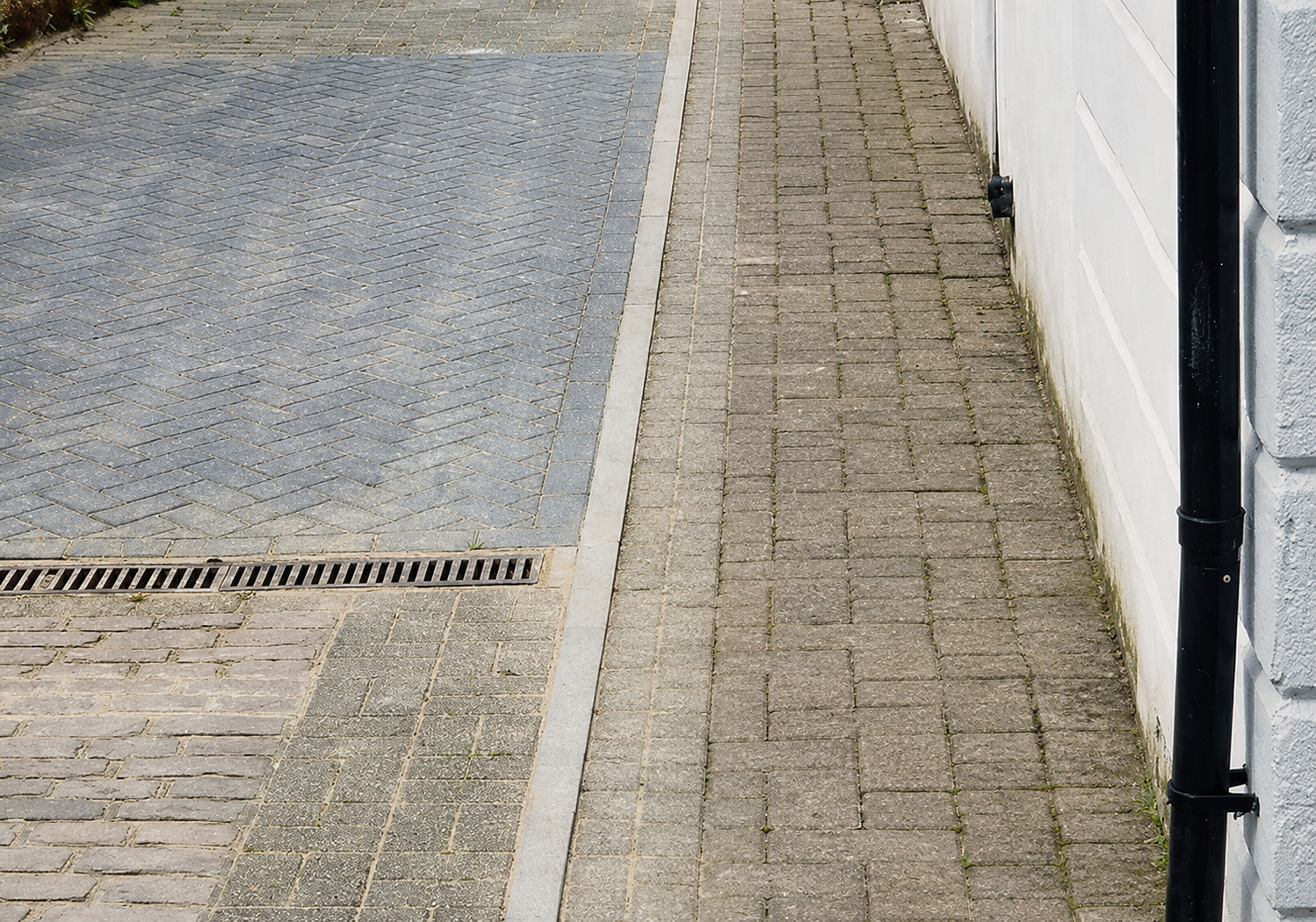
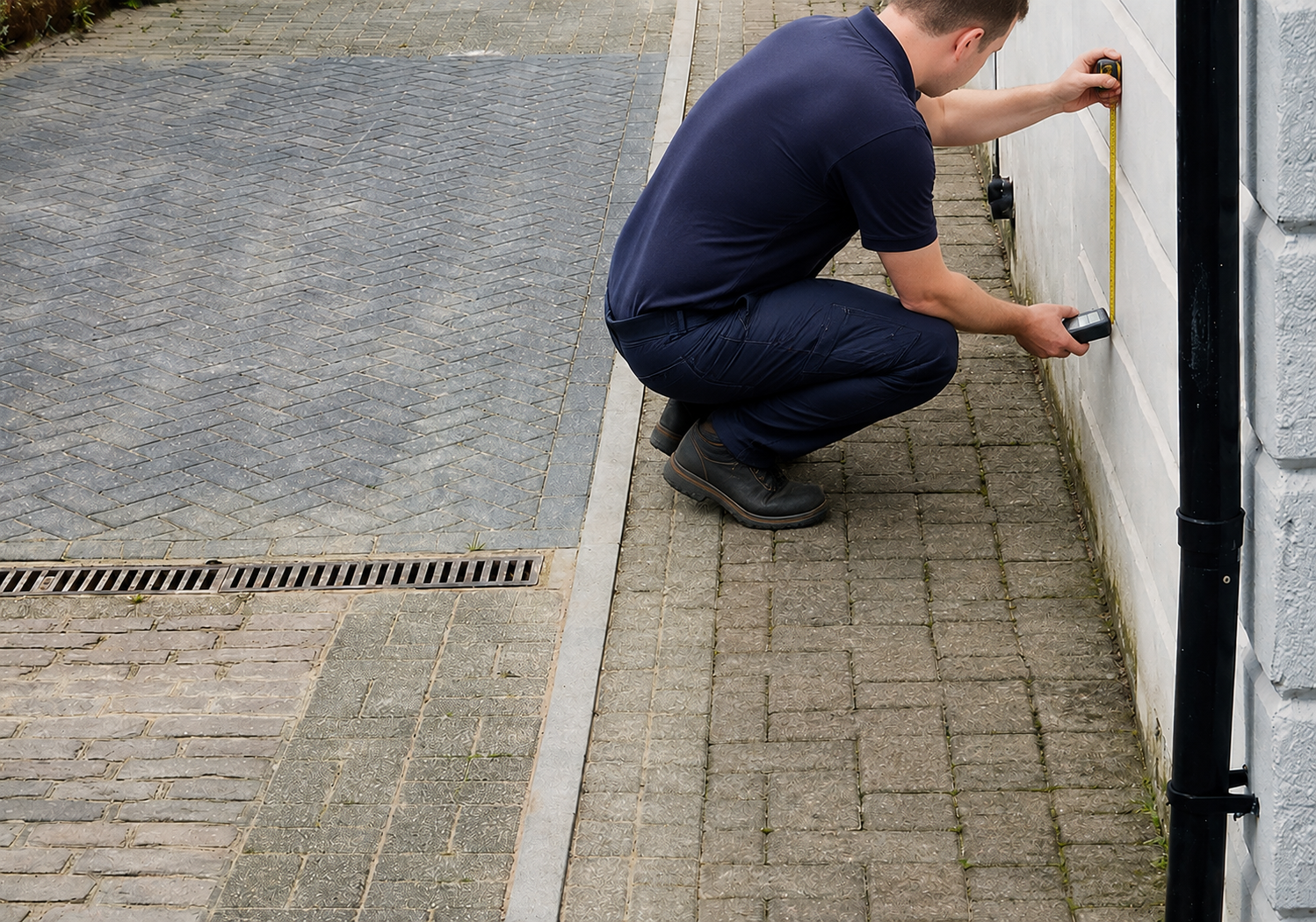
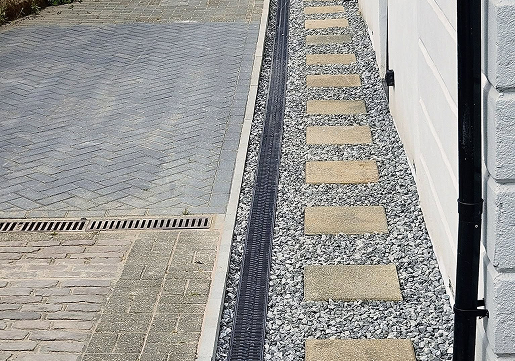
Damp Bridging Projects
A recent example of the investigation and remedial work involved in a Damp Bridging case.
Damp Bridging Projects
A recent example of the investigation and remedial work involved in a Damp Bridging case.
Related Issues
Not convinced this is what you're seeing? These issues share similar signs and are worth ruling out.
Frequently Asked Questions
What customers say