Condensation and Mould Help in Hastings and Sussex

Condensation forms when moisture-laden air meets a colder surface. The answer depends on humidity, heating, insulation and ventilation.

Condensation droplets collecting around the corner of an interior window frame

Condensation and Mould Help in Hastings and Sussex

Condensation forms when moisture-laden air meets a colder surface. The answer depends on humidity, heating, insulation and ventilation.

Condensation and Mould Help in Hastings and Sussex

Condensation forms when moisture-laden air meets a colder surface. The answer depends on humidity, heating, insulation and ventilation.

Condensation and Mould Help in Hastings and Sussex2026-09-03T13:01:24+01:00

What Is Condensation?

Condensation in Hastings and Sussex homes forms when moisture in the air meets a surface colder than the surrounding room and turns into water droplets. It is commonly seen on windows, patio doors, external walls, corners and ceilings, particularly during colder weather.

Recurring condensation is not always caused by one issue. High relative humidity, limited background ventilation, ineffective extractor fans, intermittent heating and missing or displaced insulation can all contribute. Cold surfaces may also form around window frames, roof junctions or other areas where heat escapes more quickly.

Damp Doctor Sussex assesses how the property is heated, ventilated and insulated, checks humidity and surface temperatures, and identifies the combination of conditions driving the problem before recommending appropriate work.

  • Typical Causes

High relative humidity, insufficient background ventilation, missing or blocked trickle vents, ineffective extractor fans, intermittent heating, failed seals around windows or doors, cold bridges and missing or displaced insulation.

  • Commonly Affected Areas

Bedrooms, bathrooms, kitchens, window and patio-door frames, external corners, sloping ceilings, loft-adjacent areas and spaces behind furniture where air circulation is limited.

  • Urgency

Arrange an inspection if the issue is worsening, timber or finishes are being damaged, or the source is unclear.

  • Typical Causes

High relative humidity, insufficient background ventilation, missing or blocked trickle vents, ineffective extractor fans, intermittent heating, failed seals around windows or doors, cold bridges and missing or displaced insulation.

  • Commonly Affected Areas

Bedrooms, bathrooms, kitchens, window and patio-door frames, external corners, sloping ceilings, loft-adjacent areas and spaces behind furniture where air circulation is limited.

  • Urgency

Arrange an inspection if the issue is worsening, timber or finishes are being damaged, or the source is unclear.

Signs of Condensation and Mould

Water on windows or sills

Black spotting around frames, corners or ceilings

Mould behind furniture

Musty smells that are worse in colder months

Condensation or mould forming around patio doors and window frames

Cold patches on ceilings or walls caused by missing or displaced insulation

How We Investigate Condensation

The exact investigation and repair plan depends on the property and the evidence found.

Discuss when and where condensation or mould appears and how the rooms are heated and ventilated.

Check relative humidity, surface temperatures, airflow and visible cold spots.

Inspect extractor fans, trickle vents, window and door seals, loft insulation and other areas that may be affecting thermal performance.

Explain which factors are contributing to the problem and recommend a proportionate plan to reduce moisture and improve surface temperatures.

How We Investigate Condensation

The exact investigation and repair plan depends on the property and the evidence found.

Discuss when and where condensation or mould appears and how the rooms are heated and ventilated.

Check relative humidity, surface temperatures, airflow and visible cold spots.

Inspect extractor fans, trickle vents, window and door seals, loft insulation and other areas that may be affecting thermal performance.

Explain which factors are contributing to the problem and recommend a proportionate plan to reduce moisture and improve surface temperatures.

How We Investigate Condensation

The exact investigation and repair plan depends on the property and the evidence found.

Discuss when and where condensation or mould appears and how the rooms are heated and ventilated.

Check relative humidity, surface temperatures, airflow and visible cold spots.

Inspect extractor fans, trickle vents, window and door seals, loft insulation and other areas that may be affecting thermal performance.

Explain which factors are contributing to the problem and recommend a proportionate plan to reduce moisture and improve surface temperatures.

Heavy condensation forming droplets and running down the inside of a window

Condensation and Mould Treatment

The examples below are not a diagnosis or fixed specification. Work is recommended only after the likely cause has been assessed.

  • Reinstating or improving displaced insulation where appropriate
  • Installing or improving ventilation, including Positive Input Ventilation where suitable
  • Repairing failed sealant around windows and doors
  • Completing professional mould cleaning and treatment
  • Advising on heating, airflow and ongoing humidity control

Condensation Projects

A recent example of the investigation and remedial work involved in a Condensation case.

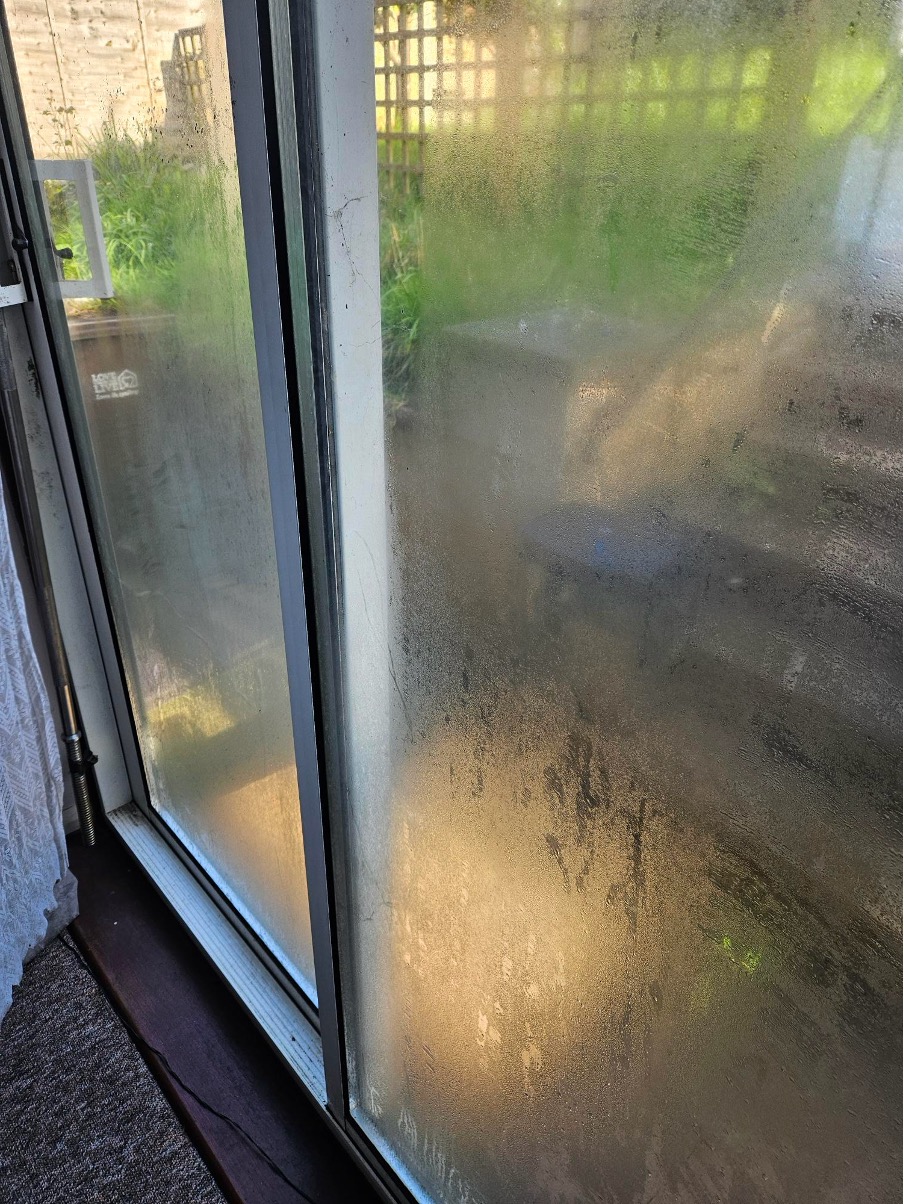
Heavy condensation covering a patio door, obscuring the view into the garden
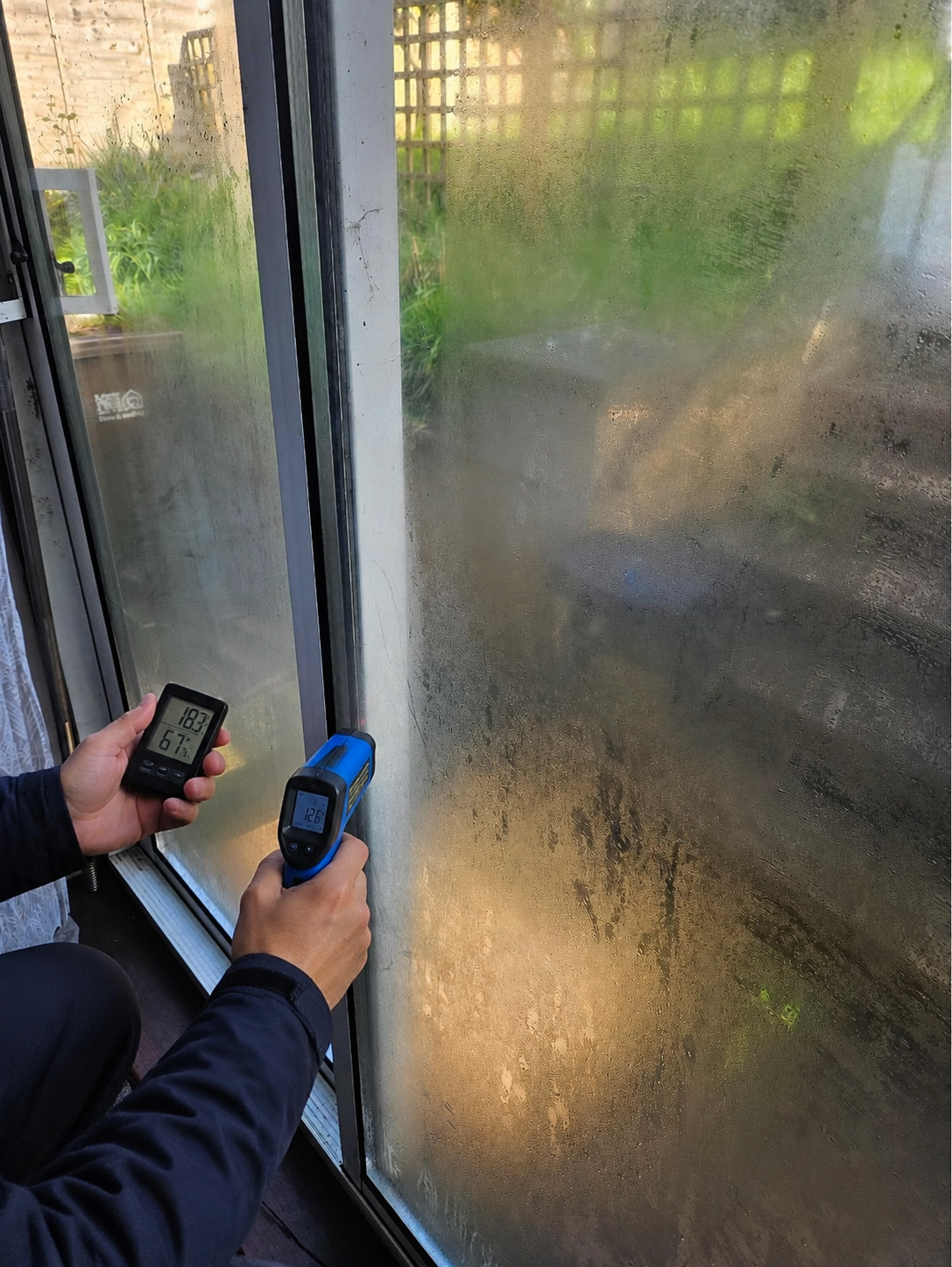
Damp specialist checking humidity and surface temperature beside misted patio doors
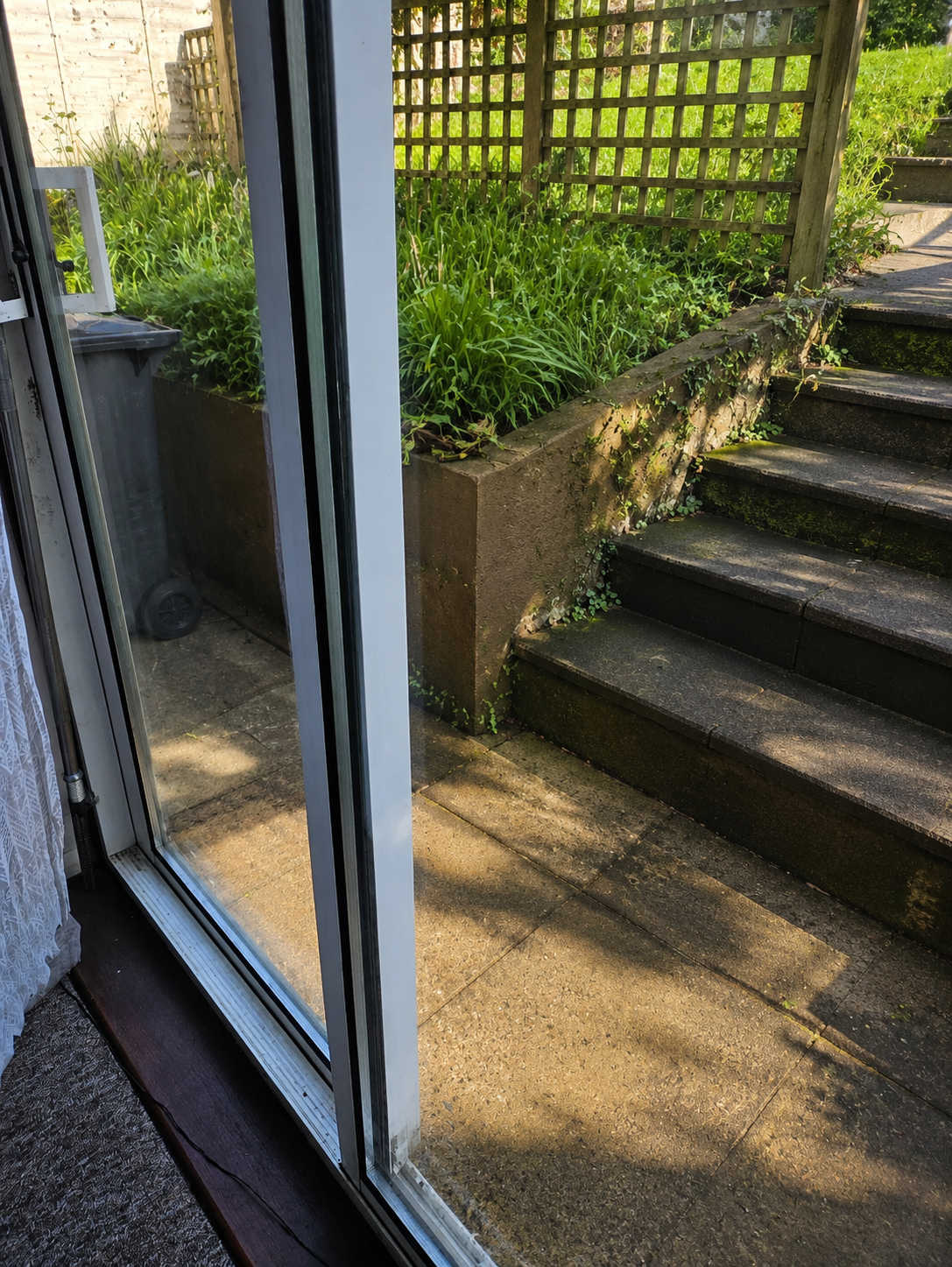
Patio doors clear and dry after condensation improvements

Condensation Projects

A recent example of the investigation and remedial work involved in a Condensation case.

Heavy condensation covering a patio door, obscuring the view into the garden
Damp specialist checking humidity and surface temperature beside misted patio doors
Patio doors clear and dry after condensation improvements

Condensation Projects

A recent example of the investigation and remedial work involved in a Condensation case.

Heavy condensation covering a patio door, obscuring the view into the garden
Damp specialist checking humidity and surface temperature beside misted patio doors
Patio doors clear and dry after condensation improvements
Condensation droplets running down the inside of a window

Why Choose Damp Doctor Sussex for Condensation?

  • Diagnosis-first, evidence-led approach.
  • Clear explanations 
  • No pressure to approve unnecessary work.
  • Appropriate remedial work available in-house.

Related Issues

Not convinced this is what you're seeing? These issues share similar signs and are worth ruling out.

Frequently Asked Questions

What is condensation?2026-09-03T13:03:37+01:00

Condensation forms when moisture in the air meets a surface that is colder than the surrounding room and turns into water droplets. It commonly appears on windows, patio doors, external walls, ceilings and cold corners. Occasional condensation may not indicate a serious problem, but frequent or widespread condensation suggests that moisture, heating, ventilation or insulation should be assessed.

What causes condensation in a home?2026-09-03T13:03:18+01:00

Condensation is caused by a combination of moisture in the air and cold internal surfaces. Everyday activities such as cooking, showering, drying clothes and breathing increase indoor humidity. Limited ventilation, ineffective extractor fans, intermittent heating, blocked trickle vents and missing or uneven insulation can make the problem more persistent.

Why do I get condensation on windows and patio doors?2026-09-03T13:03:59+01:00

Windows and patio doors are often among the coldest surfaces in a room. When warm, moisture-laden air reaches the colder glass or frame, water droplets can form. Persistent condensation may be linked to high indoor humidity, restricted airflow, ineffective extraction, failed seals or cold areas around the frame.

What are the signs of a condensation problem?2026-09-03T13:04:22+01:00

Common signs include water droplets on windows, wet sills, black spotting around frames, mould in corners, musty smells and mould behind furniture. The problem is often worse during colder months or in bedrooms, bathrooms and kitchens. Cold patches caused by missing or displaced insulation may also develop recurring condensation or mould.

Can condensation cause black mould?2026-09-03T13:04:41+01:00

Yes. Persistent condensation can leave enough surface moisture for mould to grow, particularly around windows, on cold external walls, in corners and behind furniture where air movement is limited. Cleaning the visible mould may improve its appearance, but it can return if the humidity, ventilation or cold-surface problem is not addressed.

What is the difference between condensation, penetrating damp and rising damp?2026-09-03T13:05:36+01:00

Condensation comes from moisture within the indoor air settling on colder surfaces. Penetrating damp is normally caused by water entering through an external defect, such as damaged pointing, render, roofing or gutters. Rising damp relates to ground moisture moving upwards through porous building materials. Because some symptoms overlap, the cause should be investigated before treatment is recommended.

How is condensation treated?2026-09-03T13:05:52+01:00

Condensation is treated by addressing the combination of conditions causing it. This may involve improving extractor fans or background ventilation, managing indoor humidity, maintaining more consistent heating, increasing airflow and correcting missing or displaced insulation. Mould can then be cleaned and treated appropriately. The correct solution depends on the property rather than one standard treatment.

Will Positive Input Ventilation help with condensation?2026-09-03T13:06:07+01:00

Positive Input Ventilation can help reduce condensation in some properties by introducing a controlled supply of filtered air and encouraging air movement. It is not suitable for every home, and existing extraction, property layout, loft space, heating and insulation should be considered first. Damp Doctor Sussex can assess whether PIV or another ventilation improvement is appropriate.

Can you confirm condensation from a photograph?2026-09-03T13:06:27+01:00

No, condensation cannot always be confirmed reliably from a photograph. Images can show water droplets, mould or staining, but penetrating damp, plumbing leaks and other moisture problems can produce similar symptoms. An inspection allows humidity, surface temperatures, ventilation, insulation and the pattern of moisture to be considered together.

What customers say

Trusted by Homeowners Across Sussex

Tell Us What You Have Noticed

Share the relevant details and Damp Doctor Sussex will contact you about the next step.

Preferred Contact Method
Go to Top