Penetrating Damp in Hastings and Across Sussex

Water can enter through roofs, gutters, chimneys, cracked render, pointing and other defects.

Peeling wall covering and damage near skirting level before a damp investigation

Penetrating Damp in Hastings and Across Sussex

Water can enter through roofs, gutters, chimneys, cracked render, pointing and other defects.

Penetrating Damp in Hastings and Across Sussex

Water can enter through roofs, gutters, chimneys, cracked render, pointing and other defects.

Penetrating Damp in Hastings and Across Sussex2026-09-03T12:35:42+01:00

What Is Penetrating Damp?

Penetrating damp in Hastings and Sussex properties usually develops when rainwater or another external source enters through a defect in the building. Common entry points include damaged mortar, defective pointing, cracked render, roofs, chimneys, flashing, gutters and failed seals.

The visible damp patch may appear some distance from the point where the water first entered. Internal finishes can also fail if plastering or decoration is completed before the wall has dried properly.

Damp Doctor Sussex investigates the likely entry route, considers how the moisture has travelled and explains the correct repair and drying sequence before remedial work is recommended.

  • Typical Causes

Defective external mortar or pointing, cracked render, leaking gutters or downpipes, damaged roofs, failed flashing, chimney defects, failed window seals and exposure to wind-driven rain.

  • Commonly Affected Areas

External walls, chimney breasts, ceilings, window reveals, roof junctions, upper-floor rooms and areas beside defective pointing or render.

  • Urgency

Arrange an inspection if the issue is worsening, timber or finishes are being damaged, or the source is unclear.

  • Typical Causes

Defective external mortar or pointing, cracked render, leaking gutters or downpipes, damaged roofs, failed flashing, chimney defects, failed window seals and exposure to wind-driven rain.

  • Commonly Affected Areas

External walls, chimney breasts, ceilings, window reveals, roof junctions, upper-floor rooms and areas beside defective pointing or render.

  • Urgency

Arrange an inspection if the issue is worsening, timber or finishes are being damaged, or the source is unclear.

Signs of Penetrating Damp

Damp patches that worsen during or after rain

Staining on ceilings, chimney breasts or external walls

Peeling paint, damaged plaster or musty smells

Problems around windows, roofs, gutters or cracks

Wallpaper or new plaster failing after an area has been decorated too soon

How We Investigate Penetrating Damp

The exact investigation and repair plan depends on the property and the evidence found.

Review when the damp appears and whether it becomes worse after rainfall.

Inspect the external wall, roofline, mortar, pointing, render, flashing and other possible entry points.

Map the internal moisture pattern and compare it with the likely external defect.

Explain the repair needed and allow sufficient drying time before replastering or decorating.

How We Investigate Penetrating Damp

The exact investigation and repair plan depends on the property and the evidence found.

Review when the damp appears and whether it becomes worse after rainfall.

Inspect the external wall, roofline, mortar, pointing, render, flashing and other possible entry points.

Map the internal moisture pattern and compare it with the likely external defect.

Explain the repair needed and allow sufficient drying time before replastering or decorating.

How We Investigate Penetrating Damp

The exact investigation and repair plan depends on the property and the evidence found.

Review when the damp appears and whether it becomes worse after rainfall.

Inspect the external wall, roofline, mortar, pointing, render, flashing and other possible entry points.

Map the internal moisture pattern and compare it with the likely external defect.

Explain the repair needed and allow sufficient drying time before replastering or decorating.

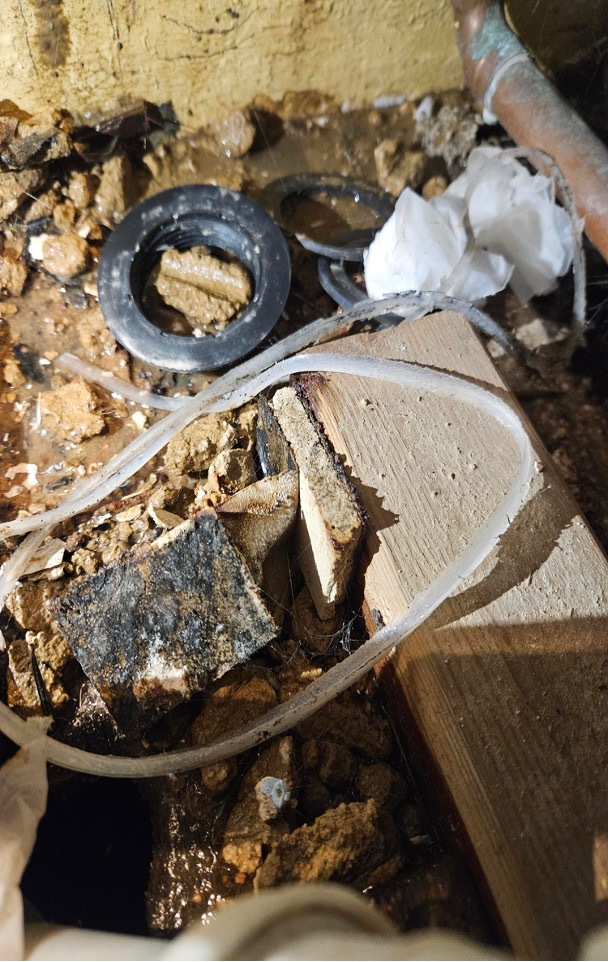
Corroded pipe fittings and decayed timber caused by a plumbing leak

Penetrating Damp Repairs and Remedial Work

The examples below are not a diagnosis or fixed specification. Work is recommended only after the likely cause has been assessed.

  • Repairing defective mortar, pointing or other external defects within the agreed scope
  • Removing failed internal finishes where necessary
  • Allowing the wall fabric to dry before reinstatement
  • Replastering or redecorating only when moisture levels are suitable
  • Providing practical drying and redecoration guidance

Penetrating Damp Projects

A recent example of the investigation and remedial work involved in a Penetrating Damp case.
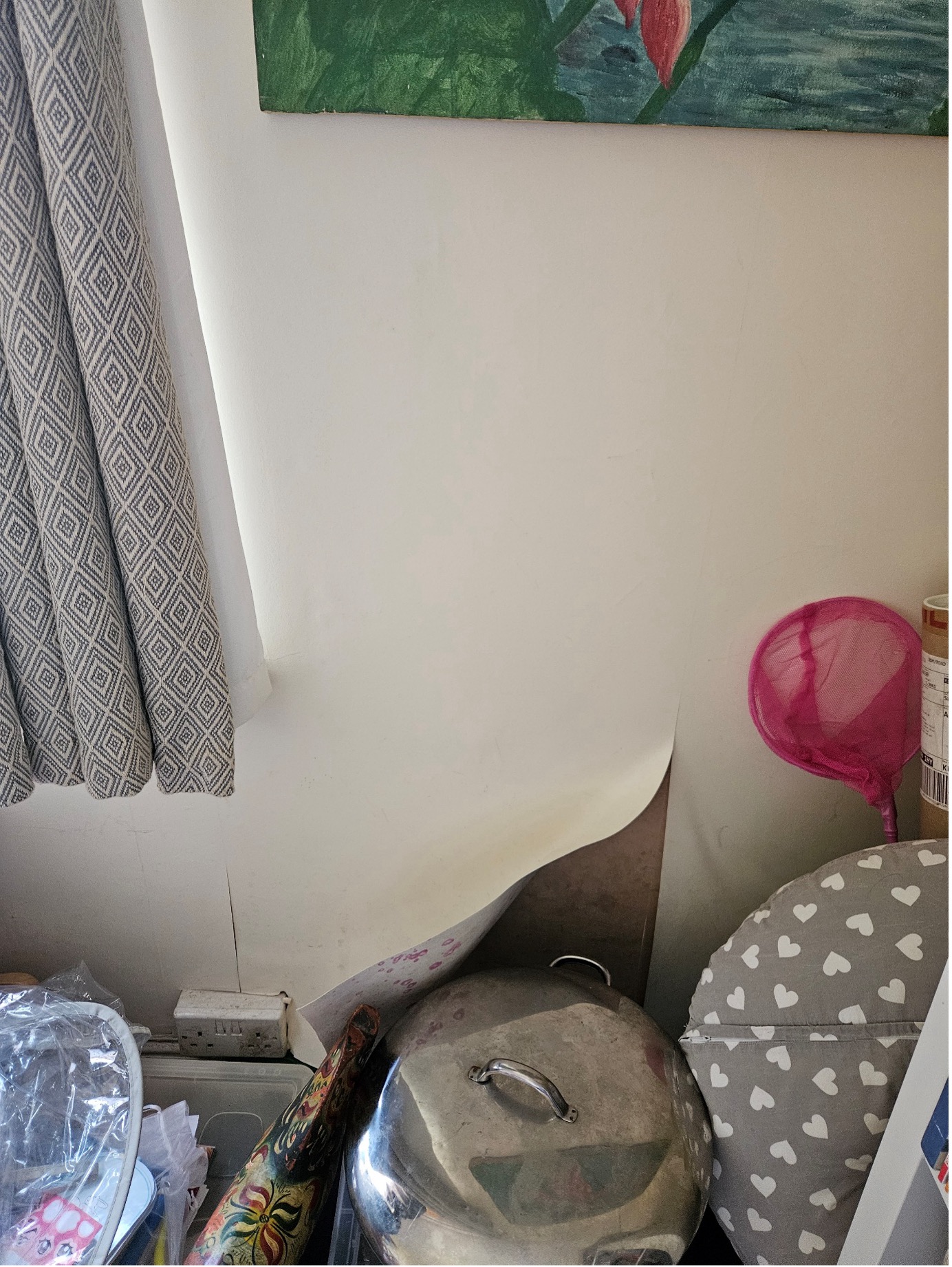
Peeling wall covering and damage near skirting level before a damp investigation
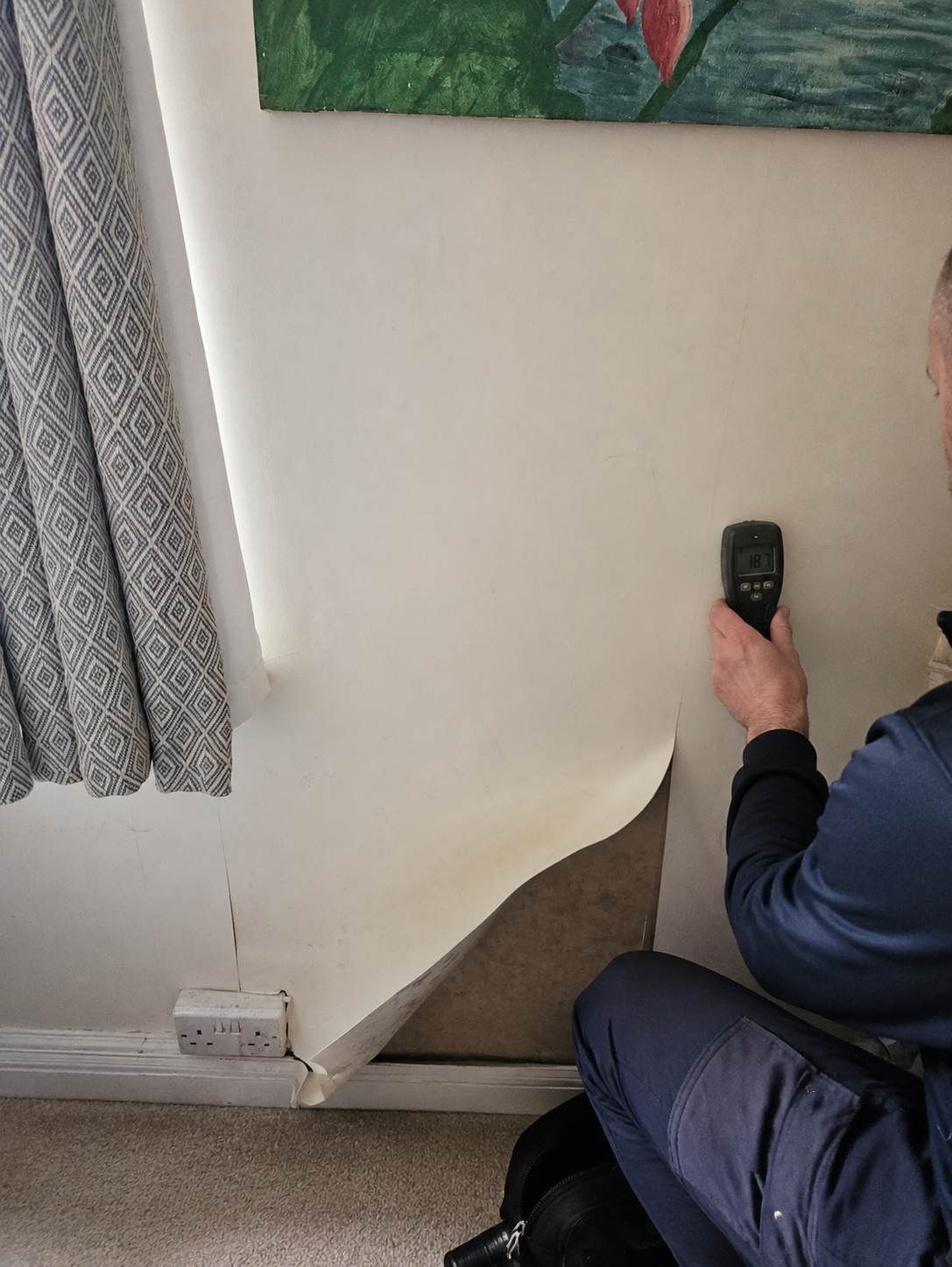
Damp specialist using a moisture meter to inspect peeling wall covering for penetrating damp
Interior wall repaired and redecorated after penetrating damp remedial work

Penetrating Damp Projects

A recent example of the investigation and remedial work involved in a Penetrating Damp case.
Peeling wall covering and damage near skirting level before a damp investigation
Damp specialist using a moisture meter to inspect peeling wall covering for penetrating damp
Interior wall repaired and redecorated after penetrating damp remedial work

Penetrating Damp Projects

A recent example of the investigation and remedial work involved in a Penetrating Damp case.
Peeling wall covering and damage near skirting level before a damp investigation
Damp specialist using a moisture meter to inspect peeling wall covering for penetrating damp
Interior wall repaired and redecorated after penetrating damp remedial work
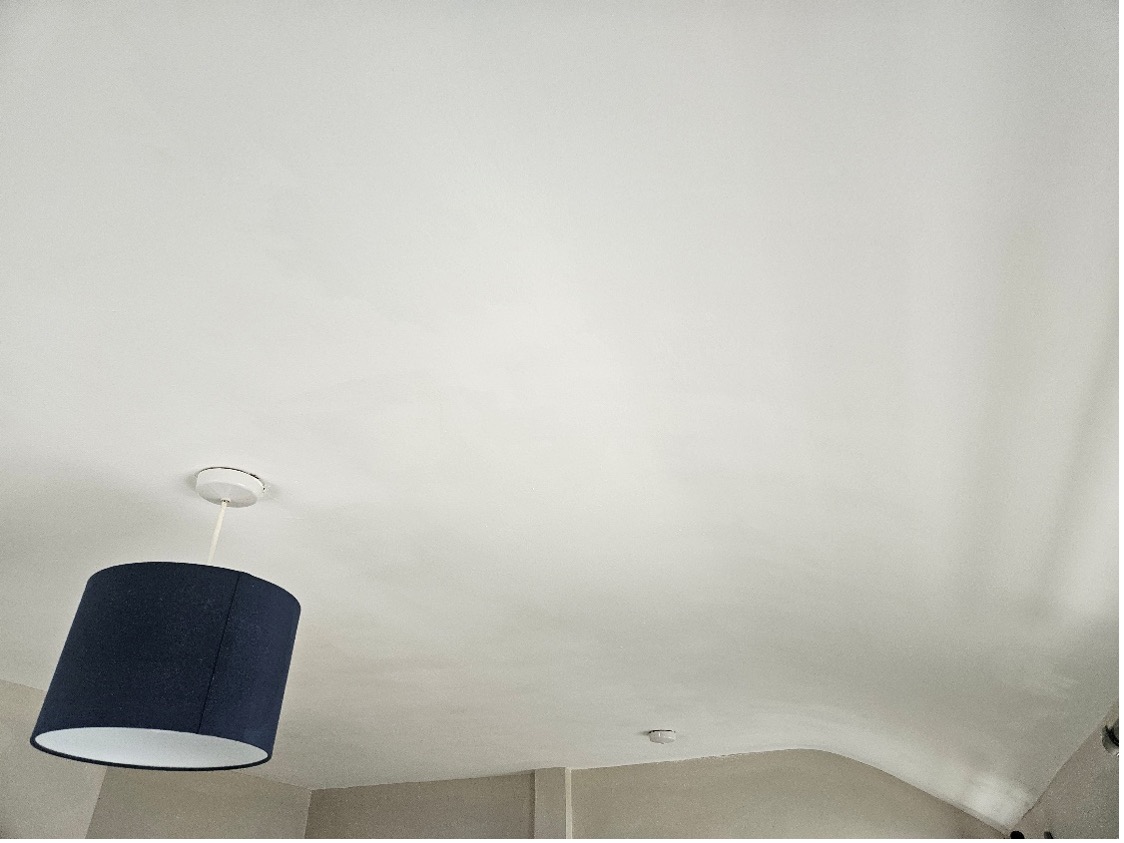
A repaired, mould-free ceiling following thermal bridging remedial work

Why Choose Damp Doctor Sussex for Penetrating Damp?

  • Diagnosis-first, evidence-led approach.
  • Clear explanations 
  • No pressure to approve unnecessary work.
  • Appropriate remedial work available in-house.

Related Issues

Not convinced this is what you're seeing? These issues share similar signs and are worth ruling out.

Frequently Asked Questions

Can you diagnose penetrating damp from a photograph?2026-09-03T12:33:06+01:00

Photographs can help us understand the visible symptoms, but they are not normally enough to confirm the cause. Similar damp patches can result from penetrating damp, condensation, plumbing leaks or other defects. An inspection allows us to consider the moisture pattern, the condition of the building and the likely route the water has taken.

Will penetrating damp go away on its own?2026-09-03T12:33:26+01:00

The visible patch may dry temporarily during better weather, but it is likely to return if the source of the water has not been repaired. The affected wall or ceiling may also need time to dry fully before damaged plaster or decoration is replaced.

How is penetrating damp treated?2026-09-03T12:32:51+01:00

Penetrating damp is treated by identifying and repairing the route through which water is entering the property. This may involve repairing roof coverings, flashing, gutters, pointing, render or seals around windows and doors. Once the source has been addressed, the affected materials should be allowed to dry before plastering or decorating. Damp Doctor Sussex can carry out appropriate remedial work within the agreed scope.

What are the signs of penetrating damp?2026-09-01T13:36:08+01:00

Penetrating damp commonly appears as localised damp patches, staining, peeling paint, damaged plaster or a musty smell. The affected area may become noticeably worse during or after heavy rain. It can appear on external walls, ceilings, chimney breasts and around windows or roof junctions.

What causes penetrating damp?2026-09-01T13:37:41+01:00

Penetrating damp occurs when water enters through a defect in the exterior of a property. Possible causes include damaged pointing, cracked render, leaking gutters, defective roof coverings, failed flashing, chimney defects and gaps around windows or doors. The visible damp patch may be some distance from the original entry point.

What is the difference between penetrating damp and rising damp?2026-09-01T13:38:24+01:00

Penetrating damp is normally caused by water entering through an external defect and can appear at different heights within a property. Rising damp relates to moisture moving upwards from the ground through porous building materials. The symptoms can sometimes look similar, so the cause should be properly investigated before treatment is recommended.

Can a leaking roof or gutter cause penetrating damp?2026-09-01T13:39:58+01:00

Yes. Damaged roof coverings, failed flashing, chimney defects, blocked gutters and leaking downpipes can all allow rainwater to enter a property. Water can travel through roof spaces, walls and building materials before it becomes visible inside. Where the suspected defect is difficult to access, a drone survey may help provide clearer evidence of the roof or chimney’s condition.

What is penetrating damp?2026-09-03T12:34:20+01:00

Penetrating damp occurs when water enters a property through a defect in its roof, walls, chimney, windows or rainwater system. It can appear at different heights and may become worse during or after rainfall. The source should be identified and repaired before damaged internal plaster or decoration is replaced.

What customers say

Trusted by Homeowners Across Sussex

Tell Us What You Have Noticed

Share the relevant details and Damp Doctor Sussex will contact you about the next step.

Preferred Contact Method
Go to Top