Rising Damp Investigation in Hastings and Sussex

Not every low-level damp patch is rising damp. The pattern, construction and alternative causes need careful assessment.

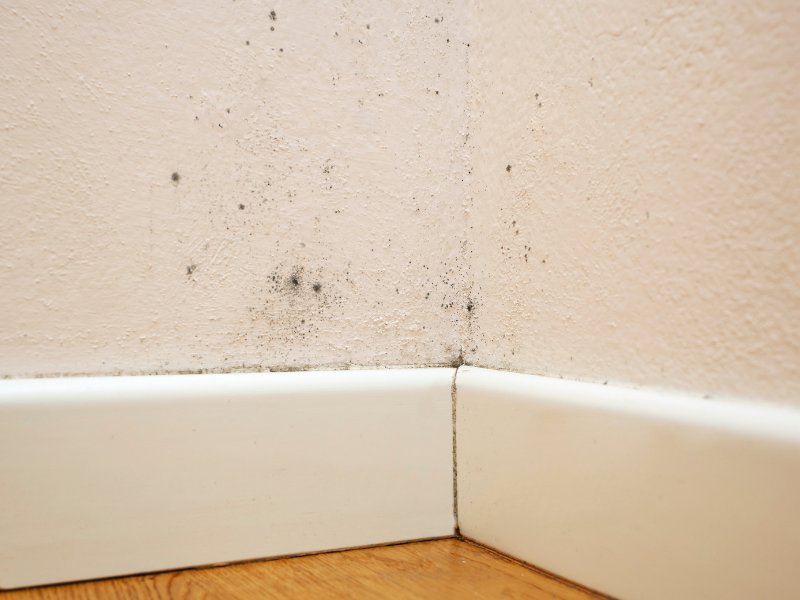
Advanced dark staining and mould spreading up an interior wall corner above the skirting

Rising Damp Investigation in Hastings and Sussex

Not every low-level damp patch is rising damp. The pattern, construction and alternative causes need careful assessment.

Rising Damp Investigation in Hastings and Sussex

Not every low-level damp patch is rising damp. The pattern, construction and alternative causes need careful assessment.

Rising Damp Investigation in Hastings and Sussex2026-09-03T11:42:06+01:00

What Is Rising Damp?

Rising damp in Hastings and Sussex properties can appear as low-level moisture, salt deposits, damaged plaster or deteriorating skirting boards. However, similar symptoms can also be caused by damp bridging, leaks or condensation, so the correct cause needs to be established before treatment is recommended.

Damp Doctor Sussex assesses the moisture pattern, wall construction, external ground levels and condition of the damp-proof course. We explain whether the evidence is consistent with rising damp and recommend only the remedial work that is appropriate for the property.

  • Typical Causes

A missing, failed or bypassed damp-proof course combined with ground moisture and porous building materials.

  • Commonly Affected Areas

Basements, ground-floor walls and older brickwork without an effective damp-proof course. Rising damp typically affects lower sections of walls, often up to around one metre above ground level.

  • Urgency

Arrange an inspection if the problem is worsening, plaster or skirting boards are deteriorating, nearby timber may be affected by wood rot, or the source of the moisture remains unclear.

  • Typical Causes

A missing, failed or bypassed damp-proof course combined with ground moisture and porous building materials.

  • Commonly Affected Areas

Basements, ground-floor walls and older brickwork without an effective damp-proof course. Rising damp typically affects lower sections of walls, often up to around one metre above ground level.

  • Urgency

Arrange an inspection if the problem is worsening, plaster or skirting boards are deteriorating, nearby timber may be affected by wood rot, or the source of the moisture remains unclear.

Signs of Rising Damp

Persistent low-level damp on ground-floor walls

Damaged skirting, flaking plaster or salt deposits

A moisture pattern beginning near floor level

Symptoms not clearly linked to rainfall or indoor humidity

How We Investigate Rising Damp

The exact investigation and repair plan depends on the property and the evidence found.

Inspect the moisture pattern, wall construction and ground levels

Check for bridging, leaks and condensation

Assess readings, salts and finishes where relevant

Explain whether the evidence is consistent with rising damp

How We Investigate Rising Damp

The exact investigation and repair plan depends on the property and the evidence found.

Inspect the moisture pattern, wall construction and ground levels

Check for bridging, leaks and condensation

Assess readings, salts and finishes where relevant

Explain whether the evidence is consistent with rising damp

How We Investigate Rising Damp

The exact investigation and repair plan depends on the property and the evidence found.

Inspect the moisture pattern, wall construction and ground levels

Check for bridging, leaks and condensation

Assess readings, salts and finishes where relevant

Explain whether the evidence is consistent with rising damp

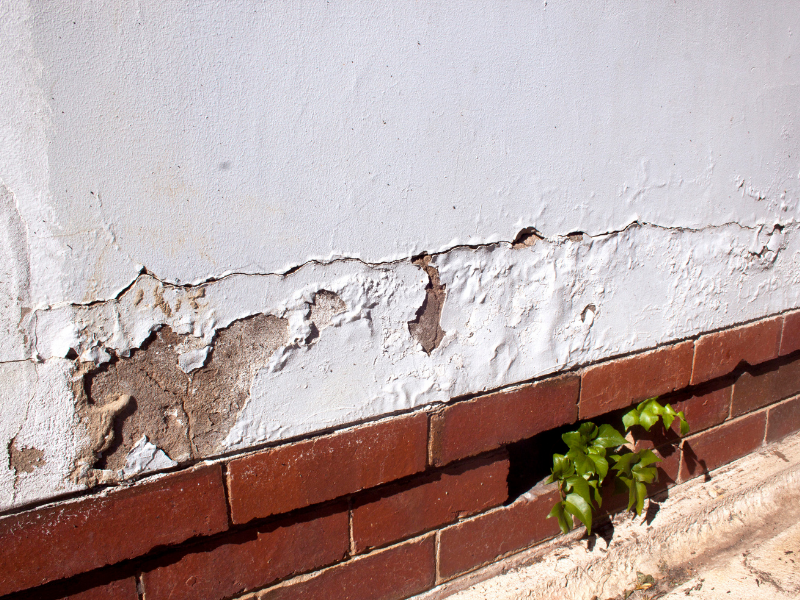
A visible tide mark above brickwork on an exterior wall, indicating moisture rising from ground level

Rising Damp Treatment and Remedial Work

The examples below are not a diagnosis or fixed specification. Work is recommended only after the likely cause has been assessed.

  • Correct bridging or external level issues
  • Install or repair a damp-proof system where justified

  • Remove contaminated or damaged plaster where needed

  • Reinstate suitable finishes after drying

Rising Damp Projects

A recent example of the investigation and remedial work involved in a Rising Damp case.
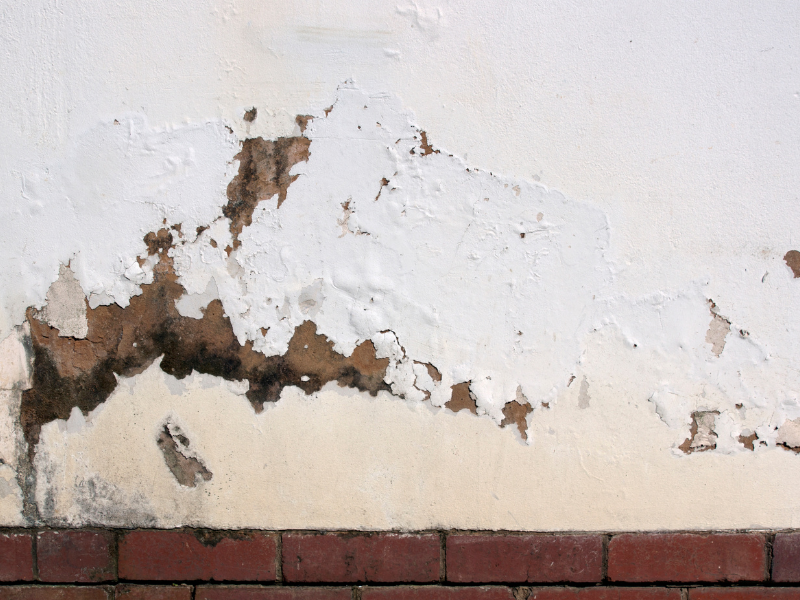
Render blistering and salt staining above a brick base, a typical sign of rising damp on an exterior wall
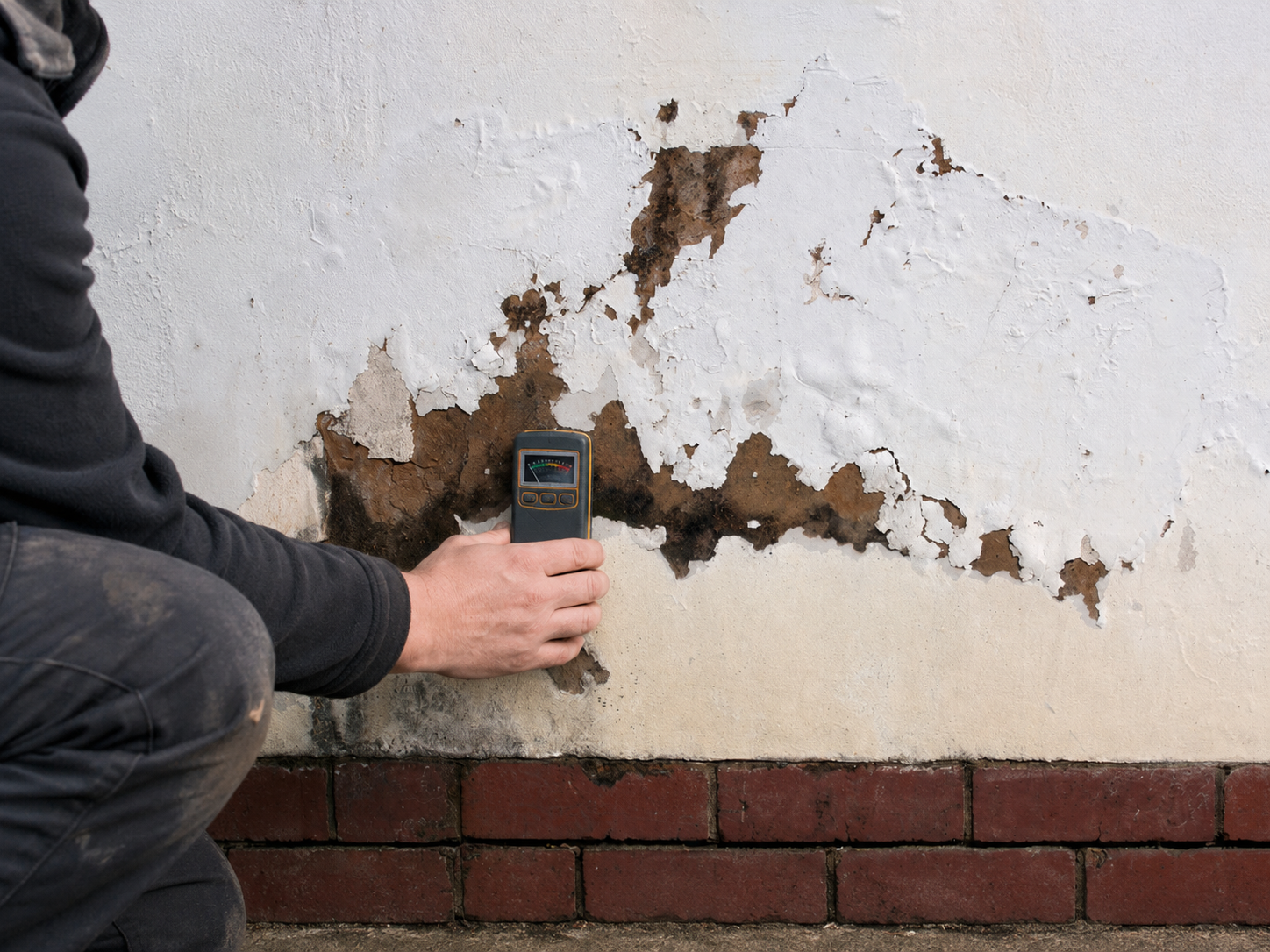
Damp specialist using a moisture meter to inspect damaged render for possible rising damp
Repaired and freshly rendered exterior wall following rising damp remedial work

Rising Damp Projects

A recent example of the investigation and remedial work involved in a Rising Damp case.
Render blistering and salt staining above a brick base, a typical sign of rising damp on an exterior wall
Damp specialist using a moisture meter to inspect damaged render for possible rising damp
Repaired and freshly rendered exterior wall following rising damp remedial work

Rising Damp Projects

A recent example of the investigation and remedial work involved in a Rising Damp case.
Render blistering and salt staining above a brick base, a typical sign of rising damp on an exterior wall
Damp specialist using a moisture meter to inspect damaged render for possible rising damp
Repaired and freshly rendered exterior wall following rising damp remedial work
Small mould spots beside a skirting board at the base of an internal wall

Why Choose Us for Rising Damp Investigation?

  • Diagnosis-first, evidence-led approach.
  • Clear explanations 
  • No pressure to approve unnecessary work.
  • Appropriate remedial work available in-house.

Related Issues

Not convinced this is what you're seeing? These issues share similar signs and are worth ruling out.

Frequently Asked Questions

How do I know if I have rising damp?2026-09-03T11:16:12+01:00

Possible signs of rising damp include low-level damp patches, tide marks, salt deposits, flaking paint, damaged plaster and deteriorating skirting boards. The moisture pattern normally begins at ground level and may extend upwards along the wall.

These symptoms do not confirm rising damp on their own. Leaks, condensation, penetrating damp and damp bridging can create similar damage, so the property should be inspected before treatment is recommended.

What causes rising damp?2026-09-03T11:15:56+01:00

Rising damp is caused by moisture from the ground moving upwards through porous building materials. This is known as capillary action.

It may occur where a damp-proof course is missing, damaged, ineffective or has been bypassed. Raised external ground levels, internal plaster bridging the damp-proof course and unsuitable materials can also contribute to low-level moisture problems.

Does rising damp only affect ground-floor walls?2026-09-03T11:17:57+01:00

Rising damp normally affects walls that are in direct contact with the ground, so it is usually found on the ground floor. Damp patches appearing on upper floors are more likely to have another cause, such as a leak, defective roof, damaged guttering or penetrating damp.

Basements and cellars can also experience ground-related moisture, but this may be water entering sideways through below-ground walls rather than rising damp.

What is the difference between rising damp and condensation?2026-09-03T11:18:50+01:00

Rising damp begins at ground level as moisture moves upwards through a wall. Common signs include low-level tide marks, salt deposits, damaged plaster and deteriorating skirting boards.

Condensation occurs when moisture in the air settles on a cold surface. It is commonly found around windows, external walls, bathrooms and other areas with limited ventilation. It may cause water droplets, black mould and surface staining.

Because the symptoms can overlap, an inspection is the safest way to establish the cause.

Can rising damp be treated?2026-09-03T11:19:49+01:00

Yes, rising damp can be treated once the cause has been properly confirmed. The correct work depends on the property, its construction and the evidence found during the inspection.

Treatment may involve correcting damp bridging or external ground levels, repairing or installing a damp-proof system where justified, removing damaged or salt-contaminated plaster and reinstating suitable finishes after the wall has dried.

Will damaged plaster need to be removed?2026-09-03T11:20:16+01:00

Not all plaster affected by damp needs to be removed. However, plaster that is damaged, loose or heavily contaminated with salts may need to be taken back to a suitable level before the wall is allowed to dry and new finishes are applied.

Damp Doctor Sussex assesses the condition of the plaster and recommends removal only where it forms a necessary part of the remedial work.

Can you diagnose rising damp from a photograph?2026-09-03T11:21:20+01:00

Photographs can help us understand the visible symptoms, but they are not enough to confirm rising damp. A low-level damp patch could also be caused by damp bridging, condensation, a plumbing leak or water entering from outside.

An inspection allows us to assess the moisture pattern, wall construction, ground levels, damp-proof course and possible alternative causes before recommending any work.

What customers say

Trusted by Homeowners Across Sussex

Tell Us What You Have Noticed

Share the relevant details and Damp Doctor Sussex will contact you about the next step.

Preferred Contact Method
Go to Top